
Remember when I said I was going to update my blog more regularly? Well, it’s been three years so I just thought I’d check in with you. Perhaps you’ve realized by now that the only time I post is when I have an update. But before I do that, you’ll have to listen to me wax-poetic for a moment.
As I come to the end of my three year stint of living in the Middle East, I’ve started to wonder what “home” means. Is home where you were born? Is it where the majority of your family live? Is it a place? Or is home a feeling? A yearning or longing? What makes us “feel at home”? Can it be a person? Is home simply belonging?
As an immigrant to Canada, these questions are never far from my consciousness. And then when you live as an immigrant-cum-expat, the construct of home becomes even more complicated. The standard expat-getting-to-know-you questions always play out like this: “where are you from?” followed right away with “how long have you been here?” and then always, “how long will you stay here before heading home?” It’s like we need this information before we can fully form an opinion about someone.
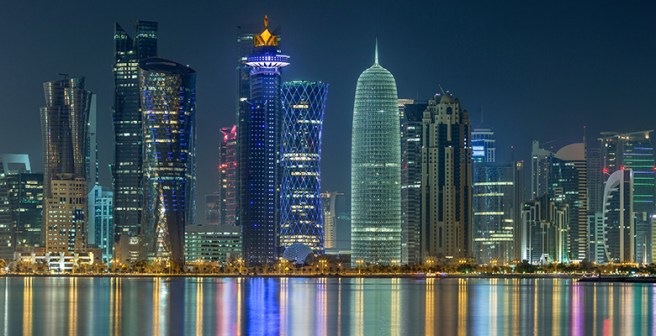
When people notice my mixed up accent the idea of home really starts to be challenged. Is my home South Africa or Canada? Some people really need to know this in order to put me in the right box in their mind. My not so favourite question is “so how do you identify, as South African or Canadian?” — as if they’re mutually exclusive! I recently went back to visit South Africa and kept referring to it as back home. Then, when I was there, I’d refer to Canada as back home until I was going to the airport to head back home to Doha. Are you starting to understand how confusing this can be for me?
When I typed “home” into google to get a proper definition there was a pop up on my phone asking if google could use my location. We are conditioned to believe that home is a place. Furthermore, that it can only be one place. If we attach this label to one place, a place in which we do not currently live, what does that mean for the present? The definition of home, according to my google search, is the place where one lives permanently, especially as a member of a family or household. So, then that means for the past few years I have not had a home? This can’t be.
It makes me think about all the songs and books that have been written about home. Think about all the different ways we use the word ‘home’ in our lexicon. It can be a noun, an adjective, an adverb or a verb. Homecoming. Homing missile. Homely. Home run. Home girl. Home free. Homework. Homeless. Homeward.
As I face the homestretch (forgive me!) here in Doha and I think about the new city I’ll call home in a few short months, I think I’ve decided on what home means for me — I am home. I take home with me wherever I go. It’s something that I can tap into whenever I want. It’s the memories of my childhood in Africa; it’s the feeling I get when I smell Canadian cottage country during the summer; it’s the lifelong friendships I make in each new country I move to. As J.R.R. Tolkien famously wrote, “Home is behind, the world ahead, and there are many paths to tread…”
For some of us, Home is not absolute. It cannot be defined. It’s both fluid and forever. Home is vast.
Talk soon,
—Kerry
P.S. My new ‘home’ for the next two years will be Guatemala City. ¡Dale!








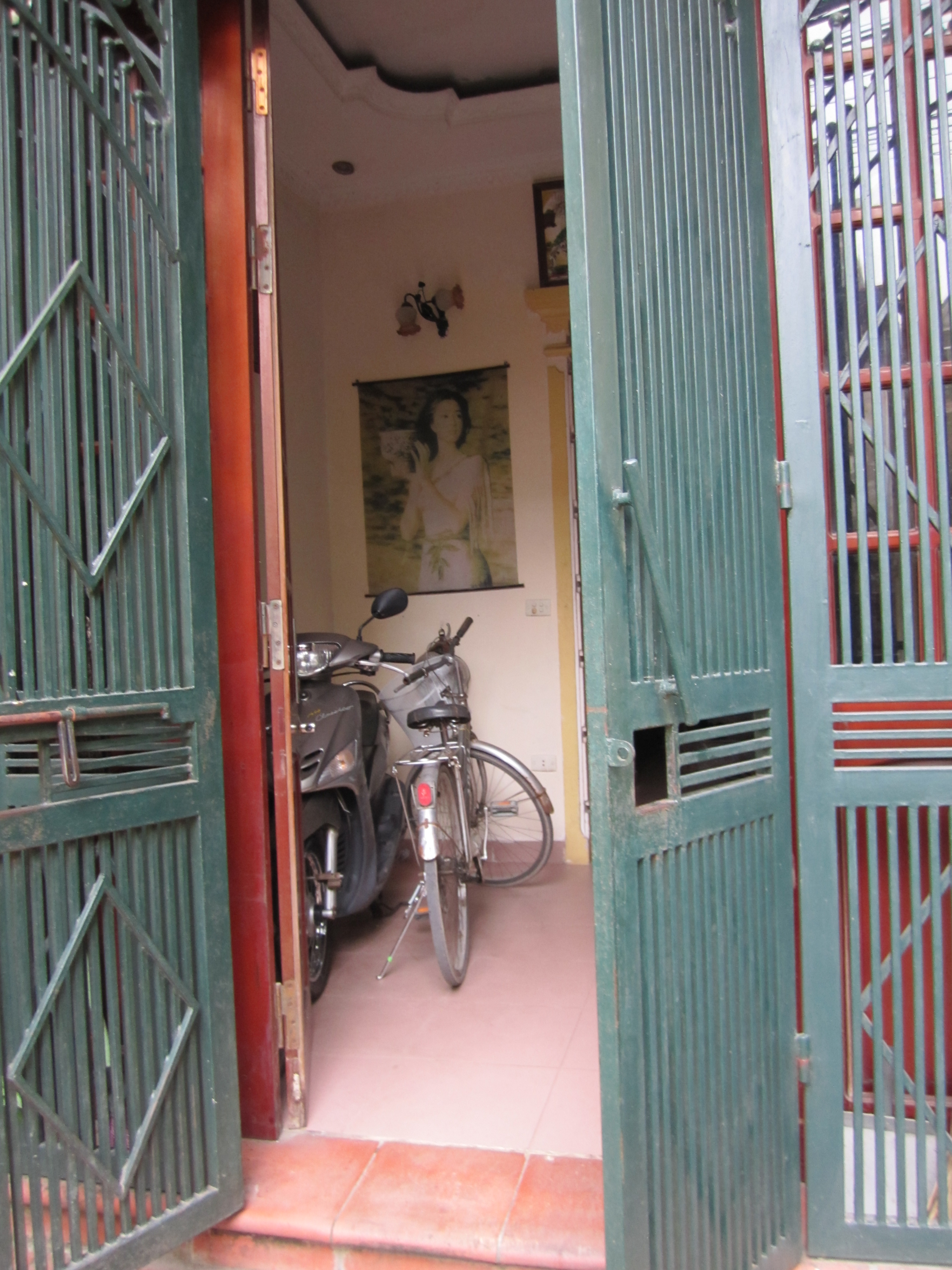


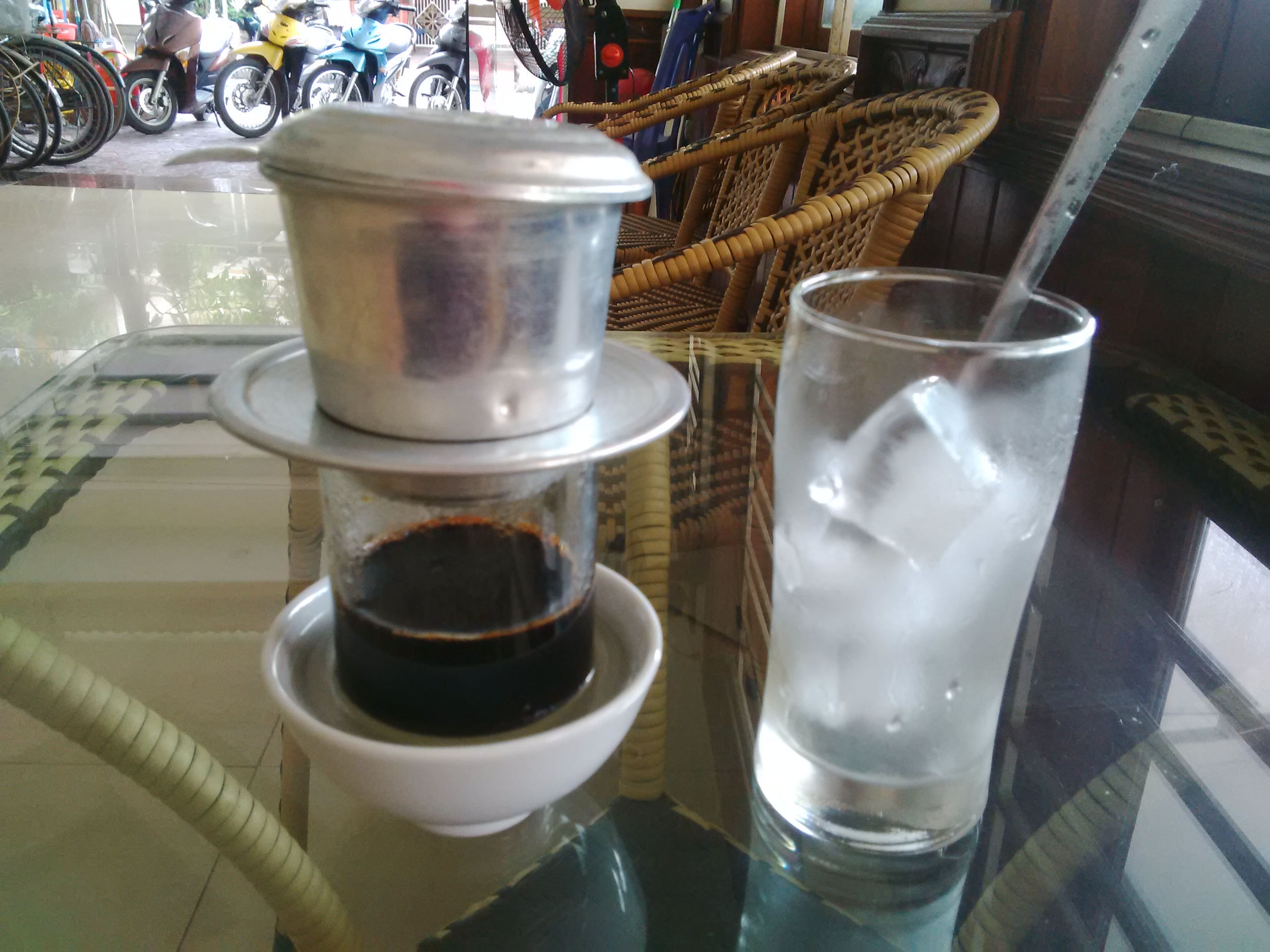
 These cultural ‘difficulties’ or differences are why I wanted to travel and live abroad because they force you to critique your own culture and lifestyle. While there are some things that I will never get used to, like the lack of toilet paper and zero respect for personal space, there are other things that I believe are worth exploring. For example, the food culture is something we lack in North America…







 Kerry Norris